Just how does Hydroelectric power provide energy?
Let's take a look
What: hydroelectricity is a form of energy that harnesses the power of water in motion to generate electricity
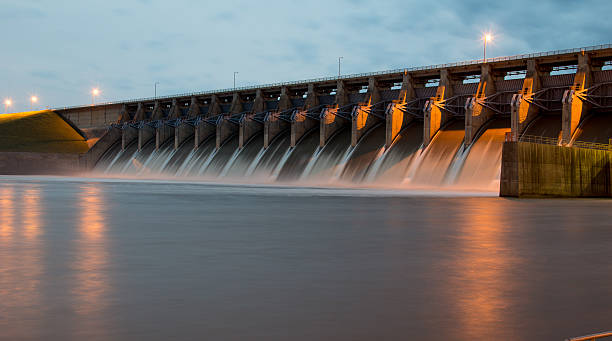
How: most plants employ a reservoir and valve of water to control its outflow and bring it to flow downards. Water thus gains potential energy before it flows down hill and is converted to kinetic energy while flowing
There are different types of hydroelectric poer implants, and the most common one is impoundment facility. When needed, a dam controls the water outflow of a pool or reservoir. Gravity then allows water to flow down and reach a turbine which then powers a generator through its spinning. Diversion facilities instead channel river water to the blades powering the generator. A pumped-storage facility instead stores energy by pumping water to a greater elevation, and then sending it down to the turbines when required.
Hydropower currently accounts for 37% of total U.S. renewable electricity, and represents about 17% of total electricity production. China is the largest producer of hydroelectricity, followed by Canada, Brazil, and the United States